

As a coach to MSPs, I see the same lead generation mistakes over and over again. You're working hard, putting in the effort, but the pipeline stays frustratingly thin. The phone isn't ringing, and when it does, the leads aren't a good fit.
Here's the thing: most MSPs are sabotaging their own lead generation without even realizing it. These aren't massive strategic failures, they're subtle missteps that compound over time. The good news? Once you know what they are, they're remarkably easy to fix.
Let's dig into the seven biggest mistakes I see MSPs making with lead generation, and more importantly, what to do about them.
1. Failing to Define Your Ideal Customer Profile
The Problem: You're casting a wide net, hoping to catch anything that moves. Sounds smart, right? More prospects mean more opportunities. But in reality, this approach attracts unqualified leads that drain your resources and kill your team's productivity.
When you don't have clarity on who you actually want to work with, your marketing efforts lack direction. You end up spending time on discovery calls with companies that can't afford you, don't value your services, or aren't a cultural fit. Every hour spent chasing the wrong prospect is an hour not spent closing the right one.
The Fix: Take the time, and yes, it takes real time, to articulate your Ideal Customer Profile (ICP). Consider job titles you need to reach, company size (revenue and employee count), industries that align with your expertise, and buying behaviors that match your sales process.
Here's what matters: this isn't a one-time exercise you check off and forget. Your ICP should evolve as your business grows and market dynamics shift. Review it quarterly. Ask yourself: Are our best clients still fitting this profile? What characteristics do our most profitable engagements share?

2. Leading with Generic IT Messaging
The Problem: Walk me through your homepage. Does it say something like "We provide reliable IT support and cybersecurity solutions for small businesses"? If so, you've got a problem, because every MSP says exactly that.
Here's the real issue: prospects don't care about your tools or your uptime percentage when they first meet you. They care about their problems. Will ransomware take down their business? Is their current IT provider leaving them vulnerable? Can they actually scale without their systems breaking?
Generic messaging makes you invisible. When everyone sounds the same, price becomes the only differentiator.
The Fix: Tailor your message to address specific pain points of your target audience. If you're targeting healthcare practices, talk about HIPAA compliance headaches and patient data security. If it's manufacturing, speak to operational technology vulnerabilities and production downtime costs.
Lead with a compelling offer that solves a real problem or prevents a painful risk. Not "We monitor your systems 24/7," but "We stop ransomware attacks before they encrypt your files, or we pay your ransom." That's specific. That's different. That gets attention.
3. Neglecting Consistent Lead Nurturing
The Problem: You get a lead, you follow up once or twice, and when they don't immediately buy, you move on. This "now or never" mindset is leaving money on the table.
B2B sales cycles, especially in managed services, are long and complex. Most companies aren't ready to switch MSPs the moment they hear about you. They're locked in contracts, dealing with other priorities, or still building the business case internally. If you're not staying in front of them during that process, someone else will.
The Fix: Build a nurturing system that keeps leads engaged until they're ready to buy. One email or voicemail isn't enough. You need an ongoing campaign with personalized, helpful content that builds trust over time.
This means:
- Email sequences that provide value (not just sales pitches)
- Monthly check-ins with relevant industry insights
- Invitations to webinars or events that showcase your expertise
- Case studies that demonstrate results for companies like theirs
Keep showing up. When they're finally ready to make a move, you want to be the obvious choice because you've been consistently helpful for months.
4. Relying Solely on Referrals and Cold Calling
The Problem: Referrals feel great. They're warm, they close faster, and they validate that you're doing good work. But if referrals are your only source of leads, you've got an unsustainable growth strategy.
Here's what happens: you land a few good clients through referrals early on, and it creates a false sense that marketing isn't necessary. Why invest in lead generation when business just comes to you? Then growth stalls, referrals dry up, and suddenly you're scrambling.
Cold calling alone isn't much better, it's resource-intensive, demoralizing for your team, and produces inconsistent results.
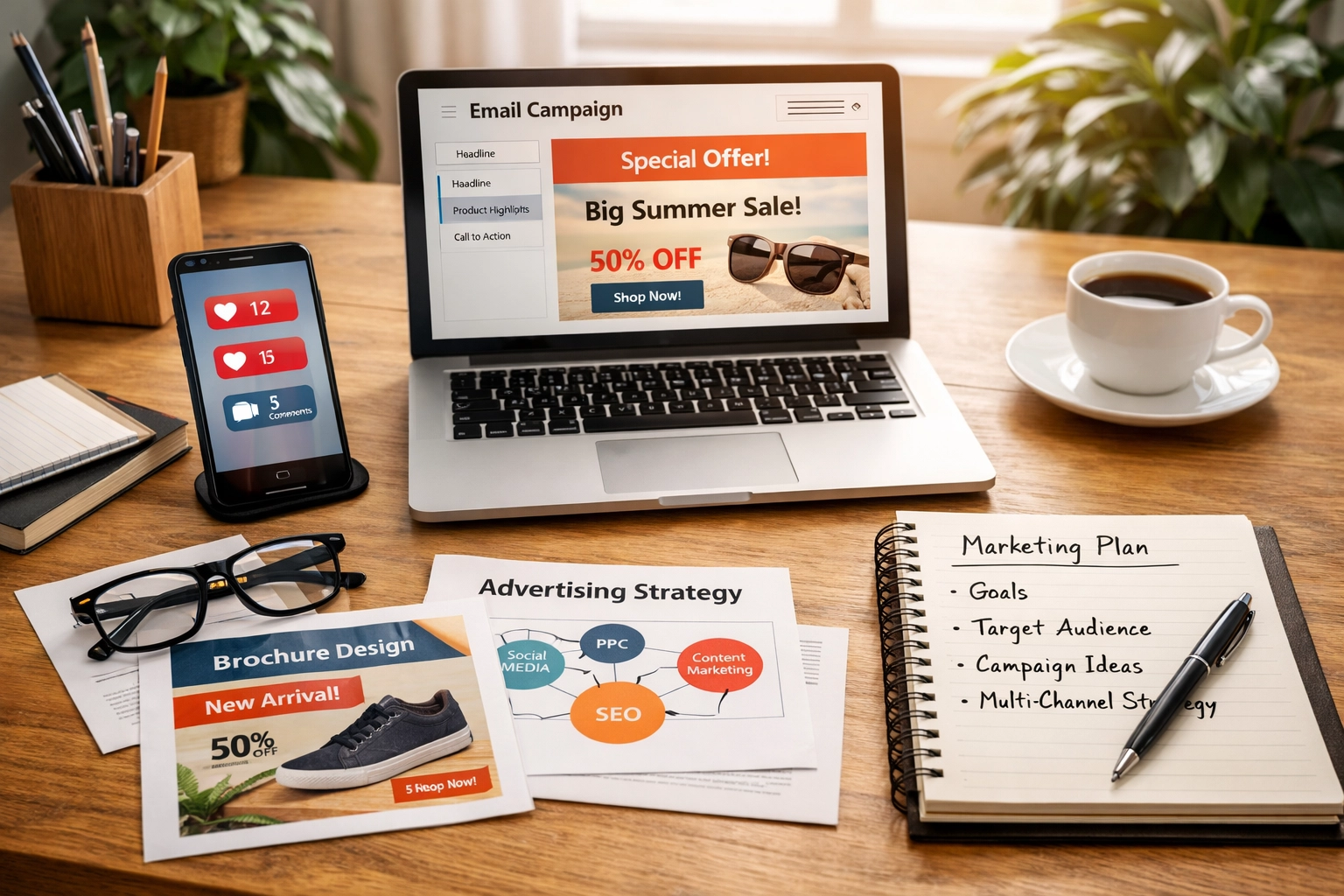
The Fix: Adopt a multi-channel approach that combines referrals with content marketing, SEO, and strategic paid advertising. Diversification creates consistent, predictable pipeline growth.
Make referrals systematic by incentivizing existing customers (referral commissions, service credits, or extended support hours work well). But simultaneously, build inbound channels that attract prospects you've never met.
5. Neglecting SEO and Online Presence
The Problem: Your website exists, but that's about it. You haven't updated the blog in a year, your service pages are generic, and you're not showing up in search results when prospects look for MSPs in your area or industry.
The reality is this: when companies start looking for a new MSP, they start with Google. If you're not visible there, you don't exist to them. They'll find your competitors instead.
The Fix: Commit to regularly updating your website content and incorporating relevant keywords. This doesn't mean keyword stuffing, it means creating genuinely helpful content that answers the questions your prospects are actually asking.
Write about:
- Common IT challenges in your target industries
- Security threats and how to mitigate them
- Technology trends affecting your prospects' businesses
- Case studies and implementation stories
Focus on local SEO if you serve a specific geography. Optimize your Google Business Profile, gather reviews, and create location-specific content. A strong online presence works 24/7 to bring qualified prospects to you.
6. Not Segmenting Your Audience or Personalizing Outreach
The Problem: You're sending the same message to everyone. Same email template, same pitch deck, same value proposition, whether you're talking to a 10-person law firm or a 100-person manufacturing company.
This one-size-fits-all approach fails because your services appeal to different audiences for different reasons. A healthcare practice cares about compliance and patient data security. A financial services firm cares about regulatory requirements and uptime for trading systems. Generic outreach makes leads feel like just another number.
The Fix: Use your CRM to segment your marketing initiatives by industry, company size, location, or buying behaviors. Create specific campaigns for each segment with messaging that speaks directly to their unique challenges.
Personalize your emails beyond just inserting their first name. Reference their industry, mention a challenge specific to their business type, or cite a recent news event affecting their sector. This level of personalization dramatically increases engagement and response rates.
Small adjustments in copy and design assets for each segment make a massive difference. When prospects feel like you understand their specific world, they pay attention.
7. Spamming Your Email List or Relying on Low-Quality Leads
The Problem: You're flooding prospects with irrelevant or excessive messages, hoping something sticks. Or worse, you bought a list of "leads" that have zero connection to your business and even less interest in hearing from you.
Both approaches damage your reputation and waste resources. Spamming leads to unsubscribes, spam complaints, and your emails landing in junk folders. Low-quality purchased leads won't convert no matter how many times you reach out, they never asked to hear from you in the first place.
The Fix: Focus on providing genuine value with every piece of communication. Ask yourself before hitting send: "Would I want to receive this email?" If the answer is no, rewrite it or don't send it.
If you're considering purchasing leads, ensure the provider is reputable with a strong vetting process. Only buy from sources with clearly defined target audiences aligned with your ICP. Better yet, invest that money in building your own list through content marketing, webinars, and other inbound strategies.
Quality over quantity wins every time in lead generation. A smaller list of engaged, qualified prospects beats a massive list of people who don't care.

Moving Forward
Lead generation for MSPs doesn't have to be complicated, but it does need to be intentional. These seven mistakes are common because they're easy to make: but they're also straightforward to fix once you're aware of them.
Start by picking one or two areas where you know you're falling short. Maybe it's defining your ICP or building a real nurturing system. Focus there first, get it working, then move to the next challenge.
The MSPs that consistently fill their pipelines aren't necessarily smarter or more talented: they're just more systematic and strategic about how they approach lead generation. You can be too.
If you're ready to transform your lead generation approach and build a predictable growth engine for your MSP, let's talk. We work with MSPs every day to fix exactly these issues and create sustainable, scalable lead generation systems that actually work.